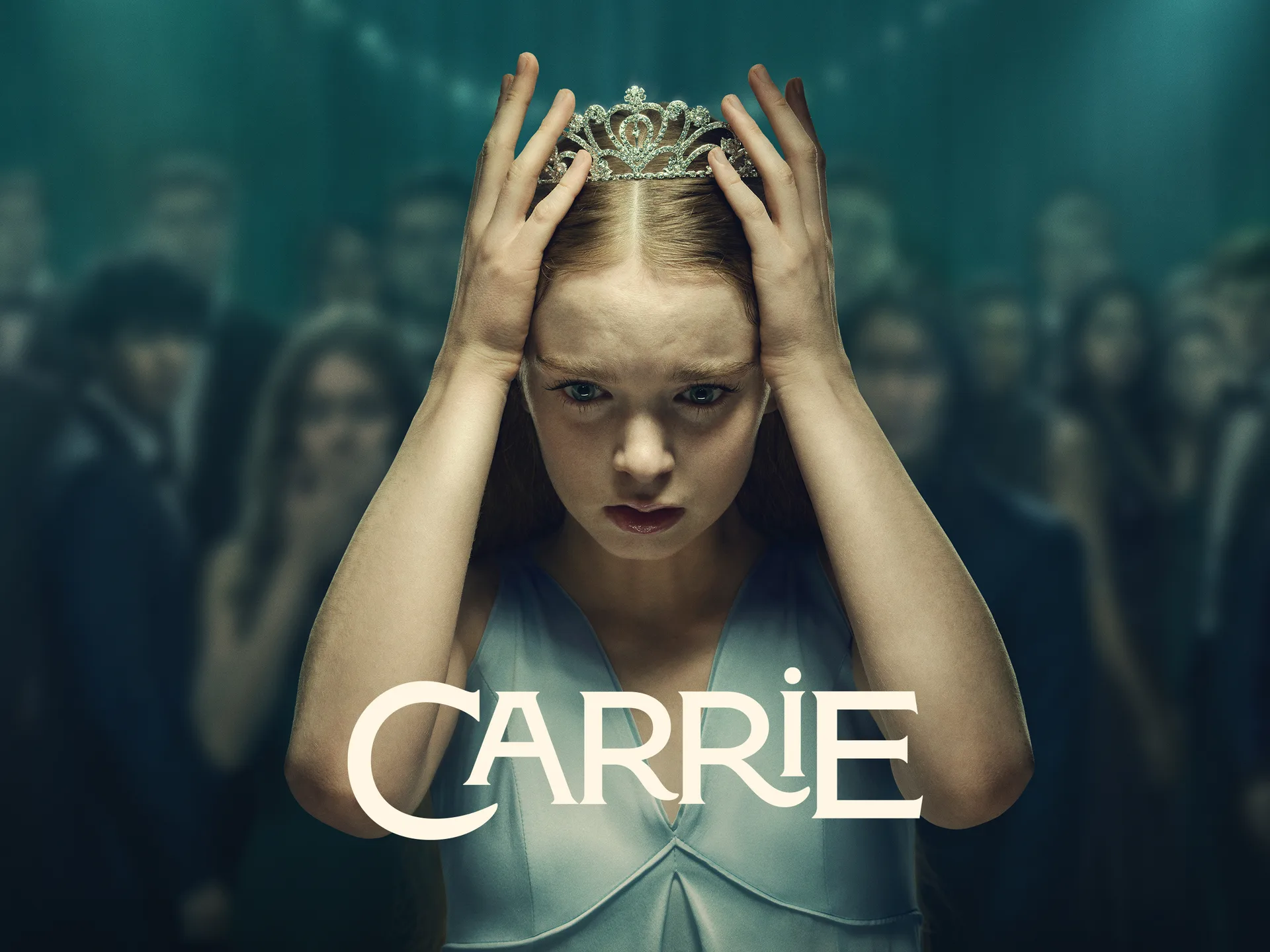
- Carrie TV series premiered October 7, 2026 on Prime Video as an 8-episode limited series from Mike Flanagan.
- Rotten Tomatoes scores for the series should always be verified directly on the aggregator, as they update in real time.
- Review consensus themes: faithfulness to Stephen King, character depth, and long-form pacing versus the 1976 film.
- Best approach: read spoiler-free critic reviews first, then audience reactions after finishing all 8 episodes.
- Official sources: Prime Video, Stephen King's official site, and Amazon MGM Studios press materials.
Understanding Carrie TV Series Reviews on Rotten Tomatoes
The Carrie TV series arrived on Prime Video on October 7, 2026, and it immediately entered one of horror's most crowded comparison fields. Stephen King's debut novel has been adapted multiple times—most famously in Brian De Palma's 1976 film—so every review of Mike Flanagan's 8-episode version inevitably measures it against that legacy. When searching for "Carrie TV series rotten tomatoes," viewers are usually trying to answer one question: is this adaptation worth eight hours of their time?
Rotten Tomatoes aggregates two distinct scores, and understanding the difference matters for a horror series like this one:
| Score Type | What It Measures | How It Works | Best Use |
|---|---|---|---|
| Tomatometer | Professional critic reviews | Percentage of positive reviews from approved critics | Gauge critical consensus |
| Popcornmeter | Verified audience ratings | Percentage of positive user scores | Gauge general viewer reaction |
| Critics Consensus | Editorial summary | Written once enough reviews are collected | Quick takeaway of common praise or criticism |
Aggregator scores shift in the weeks after release, especially for a limited series that drops all episodes at once. Always confirm the current Tomatometer and Popcornmeter readings on Rotten Tomatoes itself, and cross-reference with the official Prime Video listing before committing to a watch.
What Critics Are Evaluating
Because the series comes from Mike Flanagan—known for character-driven horror like his previous Stephen King adaptation work—critics approach Carrie with specific expectations. Based on the series' positioning and the source material, reviews tend to cluster around five evaluation points.
Adaptation Faithfulness
- How closely the series follows King's 1974 novel
- Whether serialization adds depth or padding
- Handling of the documentary-style source material
Lead Performance
- Summer H. Howell as Carrie White
- Emotional range across 8 episodes
- Comparison to Sissy Spacek's iconic turn
Pacing and Structure
- Whether long-form storytelling suits the compact story
- Build-up to the prom-night climax
- Episode-to-episode tension management
Horror Craft
- Atmosphere versus jump scares
- Telekinesis visualization
- Flanagan's signature slow-burn style
Thematic Weight
- Bullying and social cruelty depiction
- Religious extremism via Margaret White
- Coming-of-age tragedy framing
A single percentage can mislead. Horror series often split critics and audiences—the Tomatometer may reward the series' literary ambition while general viewers rate based on scare delivery. Read at least two or three full reviews from each side before deciding.
Carrie TV series vs. Earlier Adaptations: Critical Context
Every prior Carrie adaptation carries its own reputation, and reviewers frame the 2026 series against all of them. Use this comparison to understand where the new series sits in the adaptation hierarchy critics reference.
| Adaptation | Format | Critical Reputation | Review Talking Point |
|---|---|---|---|
| 1976 novel | Book | The foundational text | Source of all themes and structure |
| Carrie (1976) | Feature film | Widely acclaimed classic | De Palma's direction and Spacek's performance set the bar |
| Carrie (2002) | TV film | Mixed reception | More faithful plot, weaker cultural impact |
| Carrie (2013) | Feature film | Divided critics | Modern effects, criticized as unnecessary remake |
| Carrie TV series (2026) | 8-episode series | Emerging | Long-form depth, Flanagan's authorial voice |
Critics consistently note that an 8-episode run gives Carrie's world, family dynamics, and classmates room that a two-hour film could never provide. Reviews that praise the series often highlight this expansion; reviews that criticize it often argue the story is too compact for serialization. This structural debate is the central fault line in the series' reception.
How to Research Carrie Reviews Yourself
Follow this workflow to build your own informed judgment instead of relying on a single score.
Start with the Aggregator
Search for the series on Rotten Tomatoes and note both the Tomatometer and Popcornmeter, along with the number of reviews counted. Small sample sizes in the first week after release make scores volatile.
Read the Critics Consensus
The editorial summary tells you the dominant thread of critical discussion—whether it centers on performance, pacing, or adaptation choices—without spoiling plot details.
Sample Reviews from Both Sides
Pick at least one positive and one negative review from top critics, then scan verified audience reviews for patterns rather than individual extremes.
Check Official and Community Sources
Review the official materials on Stephen King's site and Mike Flanagan's project page, then browse community discussion on subreddits like r/horror and r/stephenking for unfiltered viewer reactions.
Decide Based on Your Taste
If you value character-driven, slow-building horror, weight critic commentary heavily. If you want intense scares, weight audience reviews more.
Most professional reviews published at launch are spoiler-light by policy, but audience reviews on aggregators frequently include full plot details. If you have not watched all 8 episodes, avoid reading user reviews of the finale episodes entirely.
Content Warnings and Viewing Fit
Reviews consistently flag Carrie's difficult subject matter. Before watching—or before letting a score convince you this is standard teen horror—review what the series actually contains.
| Content Category | Present in Series | Intensity Notes |
|---|---|---|
| Bullying and humiliation | Yes | Sustained, central to plot |
| Religious extremism | Yes | Margaret White storyline |
| Family abuse | Yes | Psychological and physical elements |
| Supernatural violence | Yes | Escalates toward finale |
| Graphic horror imagery | Yes | Concentrated in climax episodes |
The series functions as psychological horror and tragedy first. Reviewers who respond best to it are those prepared for emotionally heavy material about isolation and cruelty, not viewers expecting conventional slasher pacing.
Before You Watch:
- Confirm current Rotten Tomatoes Tomatometer and Popcornmeter scores
- Read the Critics Consensus summary
- Confirm Prime Video availability in your region
- Review content warnings against your comfort level
- Decide whether to finish all 8 episodes before reading audience reviews
FAQ
Q: Does the Carrie TV series have a Rotten Tomatoes score?
The series premiered October 7, 2026 on Prime Video, and review aggregation typically populates within days of release. Check Rotten Tomatoes directly for the current Tomatometer and Popcornmeter readings, as scores update continuously and early numbers shift as more reviews arrive.
Q: How many episodes does the Carrie TV series have?
The Carrie TV series is an 8-episode limited series on Prime Video, developed by Mike Flanagan as an adaptation of Stephen King's novel. All episodes are available on the official Prime Video listing.
Q: Is the Carrie TV series better than the 1976 movie?
Critics generally treat them as different achievements rather than direct competitors. The 1976 film is a condensed, visually iconic classic, while the series uses its 8-episode runtime to expand characters, family dynamics, and community context. Reviews split along whether that expansion adds depth or slows the story.
Q: Do I need to read the book or watch the films first?
No. The Carrie TV series tells a complete, self-contained story. Reading Stephen King's 1974 novel or watching earlier adaptations enriches the comparison but is not required. Many reviewers recommend going in fresh so the serialized pacing and character work land without preconceptions.